

Schedule a Consult →
Skokie Location
Phone: 312-620-1420
4905 Old Orchard Shopping Ctr, Ste 426
Skokie, IL 60077
Fax: 312-345-8444
Chicago Location
Phone: 312-620-1420
180 N Michigan Ave #531, Chicago, IL 60601
Fax: 312-345-8444
Our Services
Teletherapy
EMDR Therapy
Individual Therapy
Couples Therapy
Family Therapy
Relationship Counseling
We send out monthly updates about the practice, mental health & wellness info, who is accepting new patients, pandemic info, and more.
Sign me up →
Chicago Location
Skokie Location

The Effectiveness of Online EMDR Therapy: A Comprehensive Guide
Introduction
As the need for effective therapeutic interventions continues to grow, especially in the context of accessible virtual platforms, online therapy has gained significant attention as a valuable resource for individuals seeking psychological support.
Among various options, online Eye Movement Desensitization and Reprocessing (EMDR) therapy offers a practical approach that has shown promising results.
In this blog post, we’ll explore the potential benefits of online EMDR therapy, taking a closer look at how it works and what you might expect in terms of outcomes.
Understanding EMDR Therapy for Mental Health Treatment
What is Eye Movement Desensitization and Reprocessing (EMDR)?
Originating in the late 1980s through the pioneering work of Francine Shapiro, Eye Movement Desensitization and Reprocessing (EMDR) stands as a potent psychotherapy technique with its roots deeply embedded in trauma treatment through eye movement, specifically post-traumatic stress disorder (PTSD).
The basic idea of EMDR is that traumatic events can disrupt how we process memories. This can lead to distress and troubling symptoms.
EMDR uses bilateral stimulation techniques to help reprocess traumatic memories. The goal is to reduce stress and promote emotional well-being.
What is EMDR treatment for?
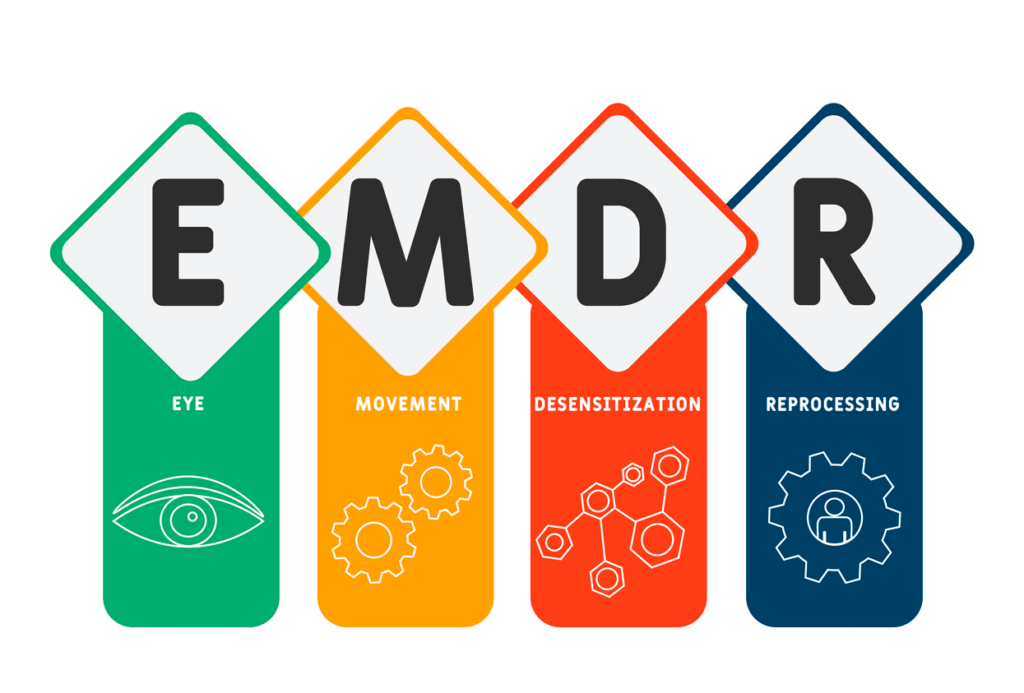
Eye Movement Desensitization and Reprocessing (EMDR) therapy is a versatile and evidence-based approach that has been found effective in treating a wide range of mental health issues.
Here is a list of various conditions and challenges that EMDR therapy can be utilized to address:
Post-Traumatic Stress Disorder (PTSD)
EMDR is perhaps best known for its success in treating PTSD. It helps individuals process and reframe painful memories associated with traumatic events, alleviating symptoms like flashbacks, nightmares, and hypervigilance.
Anxiety Disorders
EMDR can be used to treat various anxiety disorders, including generalized anxiety disorder, panic disorder, social anxiety disorder, and specific phobias. It helps individuals manage the triggers and underlying causes of their anxiety.
Depression
EMDR therapy can be used as a complementary approach to treating depression. By addressing underlying traumatic experiences or negative beliefs, EMDR can contribute to a more comprehensive treatment plan.
Phobias and Fears
Chicago EMDR therapy can help people deal with certain fears or phobias. It aims to help them better handle reactions to triggers.
Anger Management
For individuals struggling with anger management issues, EMDR therapy can help identify and process underlying traumas or triggers that contribute to intense anger.
Relationship Issues
EMDR can assist individuals in addressing relationship traumas or patterns that affect their ability to form and maintain healthy relationships.
It’s important to note that while EMDR therapy can be effective for a wide range of conditions, its suitability should be determined on a case-by-case basis.
Consulting with a qualified mental health professional is crucial to assess whether EMDR therapy is an appropriate option for an individual’s specific needs. For expert guidance, you can contact Inner Voice Psychotherapy and Consultation.
How Does EMDR Work?
Decoding the EMDR Therapy Process
The success of EMDR therapy comes from its eight-step process. This is designed to help with mental health treatment.
This process begins with the identification of the traumatic memory, an essential step in the therapeutic journey.
By accessing associated emotions and sensations, individuals gradually navigate the landscape of their experiences.

The subsequent phase involves engaging in bilateral stimulation, a dynamic technique encompassing various methods such as eye movements, tactile tapping, or auditory cues.
This bilateral stimulation mirrors the natural cognitive processes that occur during Rapid Eye Movement (REM) sleep, thereby initiating the reprocessing of traumatic memories.
Through this deliberate reprocessing, troubling memories can change and become less distressing.
The Role of EMDR Therapists
The success of EMDR therapy significantly depends on the skill of the therapist.
These professionals possess a deep understanding of the EMDR treatment process, guiding individuals through their healing journey.
EMDR therapist, whether conducting sessions in person or through EMDR therapy online, skillfully creates a safe and supportive environment.
The EMDR therapist works in tandem with individuals to navigate the intricacies of traumatic memories, emotions, and subsequent reprocessing.
The guidance and expertise of EMDR therapists ensure that the EMDR treatment is harnessed to its fullest, allowing beneficial outcomes of the therapy session.
Unlocking the Potential of EMDR Therapy Online
With the advancement in technology online therapy is now a possibility. This allows to treat clients remotely.
EMDR online offers the convenience of receiving therapy from the comfort of one’s own space, without compromising on the efficacy of the process.
For virtual EMDR delivered online, the session of eye movement desensitization encompasses the same structured phases as in-person therapy sessions, seamlessly integrating bilateral stimulation techniques through virtual platforms for virtual EMDR.
The relationship between the individual and the online EMDR therapist remains at the core of the online experience, proving that geographical barriers need not hinder the path to healing mental health.
The Effectiveness of Online EMDR Therapy for Mental Health

Research and Success Rates of Eye Movement Desensitization and Reprocessing (EMDR)
A growing body of research supports the effectiveness of EMDR therapy, both in traditional EMDR settings and online platforms. Several studies have demonstrated the positive impact of EMDR in reducing symptoms of PTSD, anxiety, depression, and other related conditions.
For example, studies and clinical reports related to EMDR therapy for treating the experiential basis of both psychological and somatic disorders were reviewed. Seven of 10 studies reported EMDR therapy to be more rapid and/or more effective than trauma-focused cognitive behavioral therapy.
Online EMDR and Virtual Bilateral Stimulation
A critical aspect of EMDR therapy is the bilateral stimulation provided to the individual.
Traditionally, this involves the therapist guiding the client through eye movements, tapping, or auditory tones.
In EMDR online therapy, virtual bilateral stimulation tools have emerged as effective alternatives.
Technological advancements now allow individuals to experience bilateral stimulation through visual and auditory cues provided by the online platform.
This is further proven by the study of 23 therapists from the EMDR-Institute in Germany that provided information about their experiences with eEMDR in a questionnaire-based survey.
Results showed the potential of eEMDR as an effective and viable method.
This supports the notion that EMDR online therapy, with virtual bilateral stimulation, can be just as effective as traditional in-person sessions.
Recognized Organizations and Ethical Standards
The effectiveness of virtual EMDR therapy is further reinforced by the involvement of recognized organizations and adherence to ethical standards.
The EMDR International Association (EMDRIA) provides guidelines and training for therapists practicing EMDR, including those offering EMDR online therapy.
The inclusion of online EMDR therapy within professional guidelines highlights the credibility and effectiveness of this eye movement desensitization approach for mental health issues.
Benefits of Eye Movement Desensitization and Reprocessing Online over In-Person Session
Tailored Healing from Anywhere
EMDR online therapy removes the limitation of physical location, offering a unique possibility for tailored healing that accommodates the demands of modern life.
This innovative approach for this reprocessing therapy erases the need for commuting to appointments, enabling individuals to engage in therapy from the comfort of their own spaces.
Whether in the sanctuary of one’s home or during a break at work, virtual EMDR therapy seamlessly integrates into daily routines, making it a practical solution for those with busy schedules.
This level of convenience fosters a sense of empowerment, enabling individuals to prioritize their mental well-being without disrupting their commitments.
Moreover, the absence of travel-related stress ensures that clients enter online EMDR therapy sessions in a relaxed state, setting a conducive atmosphere for therapeutic breakthroughs.
Personalized Progress Tracking
One of the key advantages of online reprocessing therapy is the ability to track personal progress in a visual and tangible manner.
Digital platforms often incorporate tools that allow individuals to chart their emotional journey, mapping out how they’ve evolved from one session to the next.
These trackers give a basic idea of any progress made. They can help keep you involved in your therapy sessions.
Seeing changes over time helps clients get a sense of their progress, adding to the usefulness of online EMDR.
Enhanced Therapist Matching through Online EMDR
The realm of online EMDR sessions introduce a novel dimension to the therapist-client relationship by facilitating enhanced therapist matching for eye movement desensitization process.
Through digital platforms, individuals can input their specific needs, preferences, and therapeutic goals, enabling a precise pairing with online EMDR therapists who specialize in addressing their concerns.
This matching process increases the likelihood of a good fit with a therapist. That’s important for the success of online EMDR therapy.
With a therapist that fits their needs, clients can start their therapy more comfortably. This helps them on their road to feeling better.
Overcoming Stigma Through Anonymity
Stigma can often act as a barrier to seeking mental health treatment.
Online EMDR therapy stands as a beacon of hope for those who wish to navigate their healing journey privately and discreetly to cure emotional pain, negative memories, negative feelings, or any trauma symptoms.
The virtual nature of these sessions allows individuals to engage with therapy while preserving their anonymity.
This digital veil fosters a sense of security, enabling clients to open up and address their challenges without the fear of judgment or societal stigma, ensuring a productive patient experience of EMDR treatment.
The result is a safe space where clients can freely explore their emotions, confront their traumas, and work towards transformation.
Conclusion
Virtual EMDR sessions has emerged as an effective and accessible treatment option for individuals struggling with traumatic memories, PTSD, anxiety, and depression.
The convenience, increasing research evidence, and the development of virtual bilateral stimulation tools have contributed to the recognition and success of online EMDR therapy.
As more individuals seek mental health support remotely, online EMDR therapy offers a promising solution that can help facilitate emotional healing and improve overall well-being.